Crazy Ball: The Decorative Typeface That Elevates Small Business Branding
I remember the exact moment I realized my brand needed a refresh. I was staring at a stack of newly printed thank-you cards for my online shop, feeling a strange disconnect between the warmth of my handwritten notes and the stark, generic font I had chosen for the header. It wasn’t that the text was unreadable; it was that it felt flat. In the world of small business, first impressions are everything, and typography is often the silent ambassador of your brand identity. That afternoon, I stopped scrolling through endless design trends and started looking for a typeface that could inject personality without sacrificing professionalism. That search led me to Crazy Ball, a decorative font that has since become a staple in my creative toolkit.
If you are a boutique owner, a café manager, or an entrepreneur building a digital presence, you know that visual consistency is the backbone of trust. A premium font does more than just display letters; it sets the mood before a customer even reads your copy. Crazy Ball is not just another decorative typeface; it is a strategic design asset that brings energy, playfulness, and a distinct modern vibe to your materials. Here is how this creative font transformed my approach to branding and why it might be the missing piece in your business’s visual puzzle.
Why Personality Matters in Typography
When we talk about brand identity, we often focus on logos and color palettes. However, the choice of typeface carries equal weight. A serif font might convey tradition and elegance, while a clean sans serif suggests efficiency and modernity. But what happens when your brand is about fun, creativity, and bold self-expression? This is where a display font like Crazy Ball shines.
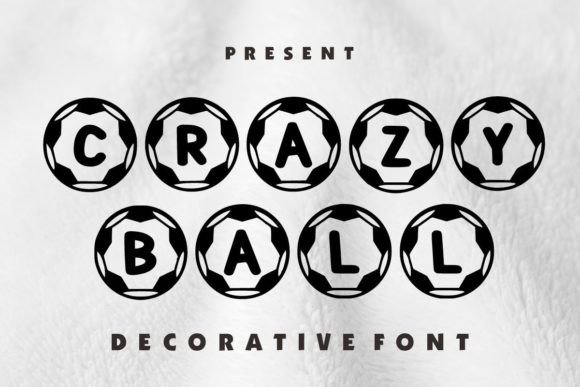
The visual character of Crazy Ball is defined by its rounded, bouncy forms. It feels tactile and inviting, almost like the letterforms themselves are rolling into place. For a small business, this translates to immediate approachability. When I used Crazy Ball for my Instagram story templates, I noticed a subtle shift in engagement. The font didn’t scream for attention in a harsh way; instead, it invited the viewer in with a sense of joy. It bridges the gap between professional design and personal connection, making your brand feel human rather than corporate.
This is particularly effective for industries like handmade goods, artisanal foods, or lifestyle coaching. If you sell candles, skincare, or custom apparel, your customers are buying into a feeling as much as a product. Crazy Ball helps communicate that feeling instantly. It signals that your business cares about details and isn’t afraid to stand out in a crowded feed or shelf.
Real-World Applications: From Packaging to Digital Ads
One of the biggest challenges for non-designers is knowing where to use a heavy decorative font without overwhelming the design. After testing Crazy Ball across various mediums, I found that it excels in short phrases, headlines, and focal points. It is not designed for long paragraphs of body text, but that is exactly why it works so well as a supporting creative font.
- Packaging Design: Imagine a bakery box or a skincare jar label. Using Crazy Ball for the product name creates an instant hook. Its bold, rounded shapes stand out against simple backgrounds, ensuring your product grabs attention on social media thumbnails and physical shelves alike.
- Social Media Graphics: For social media graphics, legibility on mobile screens is key. Crazy Ball’s generous spacing and clear forms remain readable even at smaller sizes. I use it for promotional banners and quote posts, pairing it with minimal imagery to let the typography do the talking.
- Event Materials: Whether you are designing flyers for a local market or menus for a pop-up café, Crazy Ball adds a festive yet polished touch. It transforms ordinary print materials into branded experiences that customers want to keep.
- Digital Assets: In web design and email marketing headers, this font breaks up the monotony of standard text. It serves as an excellent anchor for landing pages, guiding the user’s eye to calls-to-action without feeling aggressive.
I recently updated my product labels using Crazy Ball for the main title, and the difference was night and day. The labels looked cohesive, intentional, and significantly more expensive than they actually were. This is the power of good font pairing: when you combine a playful display font with a clean, neutral background, the result is balanced and sophisticated.
Mastering Font Pairing and Readability
A common mistake beginners make is letting the decorative font do all the work. To maintain a professional look, you need to balance Crazy Ball with complementary typefaces. My go-to strategy is to pair it with a simple sans serif font for body text. The contrast between the bouncy, organic shapes of Crazy Ball and the straight, geometric lines of a sans serif creates a dynamic visual rhythm that keeps the reader engaged.
For brands aiming for a softer, more elegant aesthetic, pairing Crazy Ball with a delicate script font can add a layer of femininity and grace. Alternatively, if your brand leans towards a modern, minimalist vibe, sticking to a clean modern typography style with a light sans serif ensures that the "crazy" element remains the star without causing visual clutter.
Readability is paramount, especially for product mockups and online shop graphics. While Crazy Ball is highly legible, it is best reserved for headlines, logo design accents, and short phrases. Avoid using it for long descriptions or terms and conditions. By reserving Crazy Ball for high-impact areas, you ensure that your message is received clearly while still maintaining a strong brand voice. This selective usage also enhances editorial design principles, where hierarchy guides the reader’s journey through your content.
Practical Considerations for Commercial Use
Before incorporating any commercial font into your business materials, it is crucial to review the technical specifications. Crazy Ball offers a range of styles and weights that provide flexibility for different design needs. Always check the included file formats to ensure compatibility with your preferred design software, whether you are working in Adobe Illustrator, Photoshop, or Canva.
Additionally, verify the licensing terms. As a small business owner, you need to ensure that your license covers the specific uses you intend, such as printing on merchandise, creating digital downloads, or using the font in client work. Understanding these details prevents legal issues and allows you to use the font with confidence. Many premium fonts now include multilingual support, which is invaluable if you plan to expand your reach to international markets.
Incorporating Crazy Ball into your brand strategy is about more than just picking a pretty font. It is about making deliberate choices that reflect your business values and connect with your audience. By treating typography as a core component of your design assets, you create a consistent, memorable, and trustworthy brand presence. Whether you are refreshing your menu, updating your website banner, or designing new packaging, Crazy Ball provides the perfect blend of fun and function to help your business stand out.